Alejandro BerbinAug 17, 20263 min read
Connecting ERP, CRM & PIM to Your Website: What's Possible
Description
ERP, CRM, and PIM integration: what's possible, the benefits it brings, and how to connect your systems to your website with yes!devs.
Manually keying orders into your ERP, copying leads from a form into your CRM, updating product data across systems by hand — these manual steps cost time and invite mistakes. ERP, CRM, and PIM integration with your website eliminates exactly that.
In this article, we explain what ERP, CRM, and PIM systems are, what becomes possible once they're connected to your website, and what benefits that integration brings.
Why connect your systems to your website?
A website rarely operates in isolation. Behind the scenes, systems are running that steer your business — for orders, customers, products. As long as they run separately from your website, someone has to move data back and forth by hand.
That's not just tedious, it's risky: every manual transfer is a potential source of errors, and data goes out of date fast. Connecting your systems to your website closes that gap — information flows automatically to wherever it's needed.
What ERP, CRM, and PIM actually are
Three systems come up again and again in this context. An ERP is the heart of your inventory and resource planning — orders, stock levels, invoices, and deliveries all come together here.
A CRM manages your customer relationships: contacts, inquiries, leads, and the sales process. And a PIM is the central source for all your product information — descriptions, technical specs, images. Each of these systems can be connected to your website or online store so data never has to be maintained twice.
What becomes possible through integration
The possibilities are concrete and highly practical. Orders from your store flow automatically into your ERP, stock levels display in real time, and invoicing and shipping run without manual intervention.
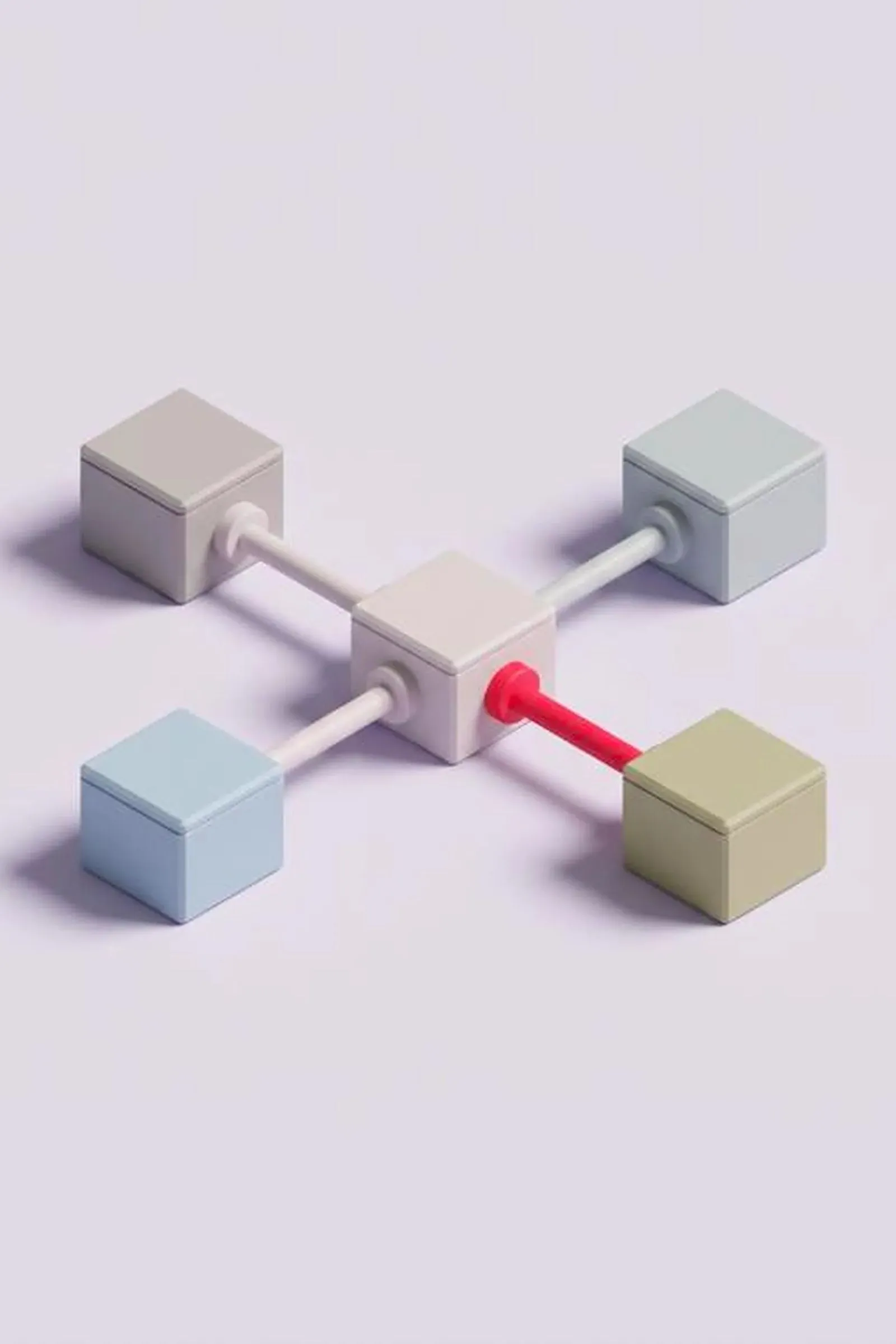
Inquiries and leads from your forms land directly in your CRM, correctly assigned and without any retyping. And product data from your PIM feeds your store automatically, so every product page stays complete and current. What were once isolated tools become one connected system.
The benefit: less effort, fewer errors
The most important effect is time saved. What someone used to do by hand now happens automatically, freeing your team to focus on what matters more.
Then there's data quality. Where nothing is transferred manually anymore, transfer errors have no way to creep in. Stock levels are accurate, customer data is current, product information is consistent. The result is smoother day-to-day operations and a website that reliably reflects what's actually in your systems.
How ERP, CRM, and PIM integration works
Technically, systems are connected through interfaces, often called APIs. Put simply, these are defined channels through which two systems exchange data — the means by which your website and your business systems "talk" to each other.
Honestly, the effort involved depends heavily on which systems are in play. Modern systems come with ready-made interfaces; older ones need custom solutions. Not everything is equally easy to connect, which is why it's worth checking upfront what's achievable with reasonable effort. Integrations like these are a classic area of custom software development.
Real-world examples
Three projects show just how different these integrations can look. For Gerolsteiner, product and sustainability data flow directly from SAP into the digital world. For MHC Mobility, we connected Salesforce and HubSpot so leads and customer data reach the right systems without detours.
And for premium brand manufacturer Canton, we connected the online store to a PIM for product data management as well as to the system handling shipping and logistics. Three industries, one principle: less manual work, more reliable data.
Conclusion: connected systems, a relieved team
Connecting ERP, CRM, and PIM to your website turns separate, isolated tools into one connected whole. Orders, leads, and product data flow automatically instead of being transferred by hand — saving time, cutting errors, and making your website more reliable.
At yes!devs, we connect websites and online stores cleanly to the systems behind them — from standard interfaces to fully custom integrations.
Want to connect your systems to your website? Let's discuss your project — we'll assess what's possible with your systems.